
 Back to all articles
Teens and the move towards digital independence
14 April 2026
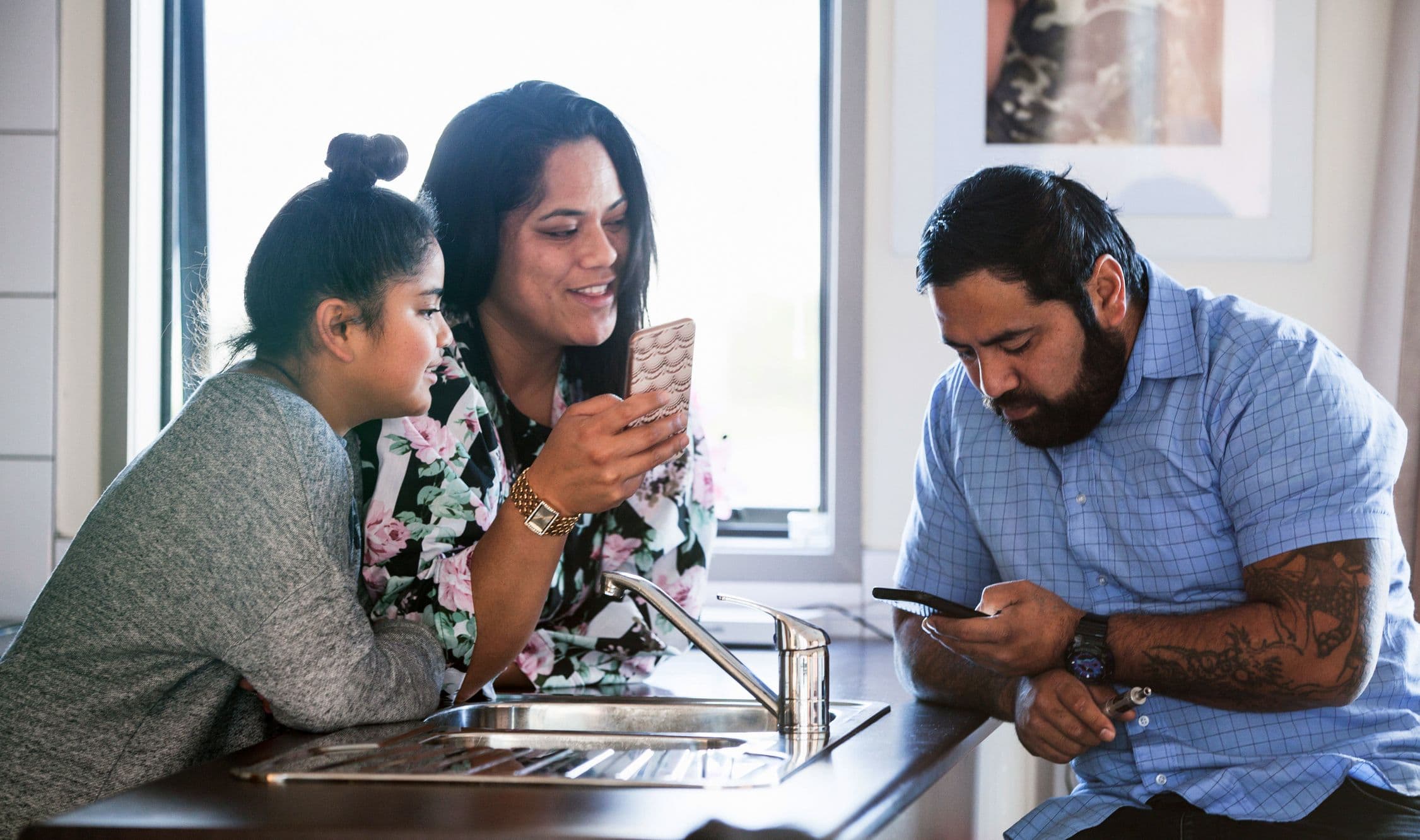
There’s a moment many parents recognise, when your child no longer wants you hovering around them while they’re online. They want their own space, their own accounts, their own decisions. For tweens and teens, this shift is a natural part of growing up. But for parents and caregivers, it can feel like a sudden leap from “I can see everything” to “I have no idea what’s going on.” The good news? Independence online doesn’t have to mean disconnection.
Why digital independence matters
As children move into their teen years, they’re building identity, confidence and social connections, and the online world is a big part of that. They might be messaging friends more privately, exploring new platforms or communities, creating and sharing their own content or wanting more control over their digital lives.
This independence helps them develop important skills, like decision-making, critical thinking and managing relationships. But they still need support along the way.
It’s not about stepping back - it’s about stepping alongside
Digital independence isn’t a switch that flips overnight. It’s a gradual process where your role shifts from “protector and role-model” to “coach and supporter”
Instead of trying to monitor everything alongside them, your focus shifts to:
- Staying connected and keep conversations open and regular
- Building trust and showing you respect their growing independence
- Guiding, not controlling and helping them think through choices rather than making every decision for them
Your young person is far more likely to come to you when something goes wrong if they feel trusted, not watched.
What you might notice
As you child builds their online experience and confidence, and wants to become more independent with their online time, you might notice:
- More resistance to rules or restrictions
- Increased concern about their privacy (especially from you!)
- Stronger influence from peers
- A desire to solve problems on their own
This is normal for may rangatahi, but it's important to stay connected and find ways to be a 'guide on the sidelines' as they continue to build their online safety skills.
How to support safe independence
Here are some practical ways to guide your child as they navigate this stage:
1. Keep the conversation going
Talk about what they’re doing online in the same way you’d ask about their day. Be curious, not judgmental.
2. Agree on boundaries together
Involve them in setting rules around screen time, apps, and behaviour. They’re more likely to follow rules they’ve helped create.
3. Talk about values, not just rules
Instead of only saying “don’t do this,” talk about respect, kindness, and responsibility online.
4. Prepare them for challenges
Discuss things like peer pressure, sharing personal information, and what to do if something feels wrong.
5. Let them practise decision-making
Give them space to make small mistakes and learn from them, while you’re still there to support.
If something happens
Mistakes are part of learning, and if your child comes to you with a problem, how you respond matters.
Try to stay calm, listen first and focus on solutions, not punishment. Your reaction can shape how much they share with you, and whether they come to you next time.
Growing independence, together
Digital independence isn’t about letting go completely, it’s about evolving your role. You’re still there. Still guiding. Still influencing - just in a different way. And while your child is gaining independence, one thing remains the same: they still need you in their corner.
Read more about supporting your tamariki, tweens and teens online in our Digital Guardian Guides: