Talking About Online Porn

Pornographic content exists online, and many young people will come across it even if they’re not looking for it. Read on to find out how you can talk about it with your young person to help support them and keep them safe online.
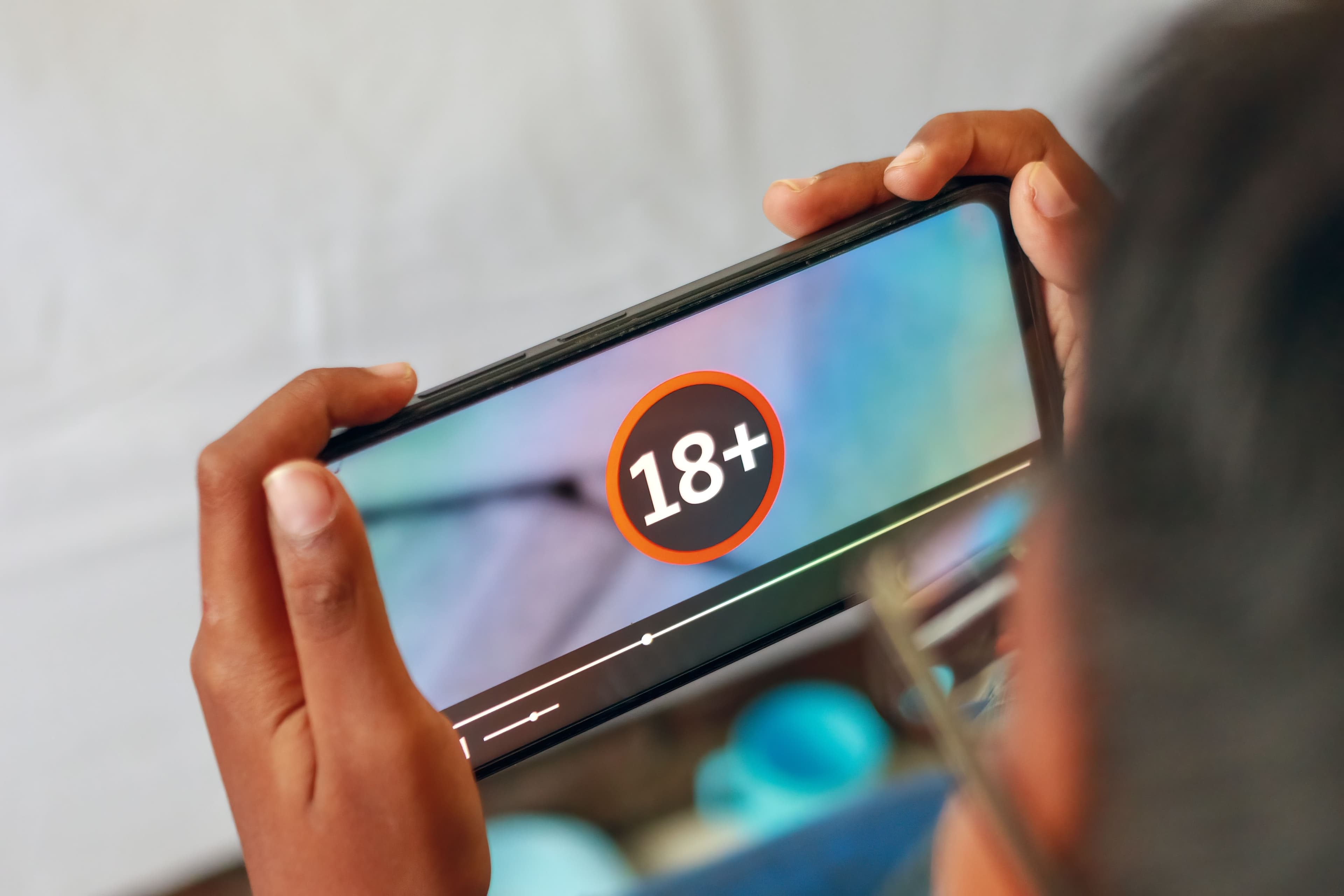
Talking about online porn can feel uncomfortable for both parents and young people. But open, calm conversations can normalise tricky topics, build trust and help your child understand they can come to you if they come across something they didn't mean to see, or find something confusing or upsetting.
What to know
Pornography is a common part of the online world, and many young people will come across it, even if they’re not looking for it. This might happen through pop-ups or accidental clicks, links shared by friends, social media or group chats or curiosity as they learn about bodies and relationships
Online pornography refers to images or videos of sexual activity created for adults.
It can include:
- explicit videos or images
- sexualised content on websites or social media
- content shared between peers
It’s important for young people to understand that it is made for adult audiences and it's not a realistic guide to sex or relationships. Online porn often leaves out important things like consent, communication, and emotions which provides important context for young people when exploring and understanding in-person relationships.
Avoiding the topic doesn’t prevent exposure to the content. What helps most is preparing your child to understand and respond to what they might see.
Top tips for talking about it
Be calm, open and honest
Talking about pornography can feel uncomfortable for both you and your young person, and that’s completely normal. You don’t need to have a perfect script because what matters most is creating a calm, open space where your child feels safe to talk.
You might say:
- “This might feel a bit awkward to talk about, but it’s important.”
- “I’m still learning about this too — we can figure it out together.”
- “You can always ask me questions, even if they feel a bit weird.”
If your young person discloses something, try to avoid reacting with shock or anger. Even if your child has seen something intentionally, curiosity about bodies and relationships is a normal part of growing up.
Start early and keep the conversation going
Young people are often exposed to pornography earlier than adults expect, sometimes accidentally, sometimes through friends or social media.
Rather than one big “talk”, aim for small, ongoing conversations over time. These chats don’t have to be formal. Everyday moments like something on TV, social media, or a news story can be a good way to start.
You might say:
- “Sometimes people come across sexual content online — have you ever seen anything like that?”
- “What do people your age say about porn or sexual content?”
- “If something like that popped up, what would you do?”
Normalising conversations about life online in this way can make it feel easier and more comfortable for your young person to come to you if they need someone to turn to.
Help them understand what pornography is (and isn’t)
Young people may not have the context to understand what they’re seeing and it can be helpful to explain that pornography is made for adults and is designed to entertain, not to show real relationships or real-life sex.
Pornography often leaves out communication, consent, and emotions and shows unrealistic bodies and expectations. It can give confusing or misleading messages about relationships.
You might say:
- “Porn is made for adults and it’s not meant to teach people about real relationships.”
- “It doesn’t show things like respect, communication, or how people actually feel.”
Talking about the realities of online porn helps your young person understand that real relationships are about trust, consent, and care, which are not always portrayed.
Talk about feelings, curiosity and confusion
If your child has seen pornography, they might feel a range of emotions that include feeling curious, confused, embarrassed and unsure what it means (especially if they have responded physically to content that is of a graphic or violent nature). Giving them space to talk about this helps them process what they’ve seen in a healthy way.
You could ask:
- “How did it make you feel when you saw that?”
- “Did anything about it seem confusing or unrealistic?”
- “What questions do you have about it?”
Let them know it’s not their fault if they saw something accidentally, and that it's OK if they tried exploring online. They need to know that they can always talk to you about what they’ve seen and how it made them feel.
Talk about consent, respect and real relationships
Pornography rarely shows healthy relationships, so it’s important to talk about what they look like, including topics like mutual respect, consent and boundaries, communication, and kindness and care.
You might say:
- “In real life, people check in with each other and make sure everyone feels comfortable.”
- “No one should ever feel pressured to do something they don’t want to do.”
- “Respect and consent matter in every relationship, online and offline.”
These are important concepts to explore and discuss both in the online and offline world. Try to find examples that are relevant to your whānau and young person about how consent relates to everyday life.
Help them think critically about what they see
One of the most important skills you can support is helping your child question and think critically about content.
You could ask:
- “What do you think is real or not real about what you saw?”
- “Why do you think content like that is made?”
- “What might be missing from those videos?”
This helps young people avoid taking what they see at face value and builds digital resilience.
Let them know they can come to you
Young people often stay silent because they’re worried about getting in trouble. Make it clear that your role is to support them, not to judge or punish them.
You might say:
- “If you ever see something that worries you, you can come to me.”
- “You won’t be in trouble for being honest.”
- “We can figure things out together.”
Keeping that door open is one of the strongest protective factors you can offer.
Bonus Conversation Starters
These questions don’t need to be asked all at once. One small conversation at a time can help build trust and understanding.
- “Have you ever seen something online that felt like it was meant for adults?”
- “What do people your age think about porn?”
- “Why do you think people watch it?”
- “What do you think is real or not real about it?”
- “What would someone do if they saw something that made them uncomfortable?”
- “What would you do if a friend sent you something like that?”
- “What questions do young people have about sex or relationships?”
- “Where do you think people learn what healthy relationships look like?”
- “What makes a relationship respectful and safe?”
- “If something online ever confused or worried you, who could you talk to?”
If you're concerned...
If your child tells you they’ve seen pornography or you discover they have, your response matters. Try to stay calm, listen without judgement, reassure them they’re not in trouble and focus on understanding what happened.
You might say:
- “Thanks for telling me, that wasn’t easy.”
- “You didn’t do anything wrong.”
- “How did you come across it?”
Then talk through what they saw and check how they’re feeling. Answer questions honestly in an age-appropriate way - a supportive response helps build trust and makes it more likely they’ll come to you again.

You don’t need to be an expert to talk about pornography. Staying calm, curious, and connected helps your child make sense of what they see, and builds the confidence they need to navigate it safely.