
 Back to all articles
What to do if your child is being bullied online
23 April 2026
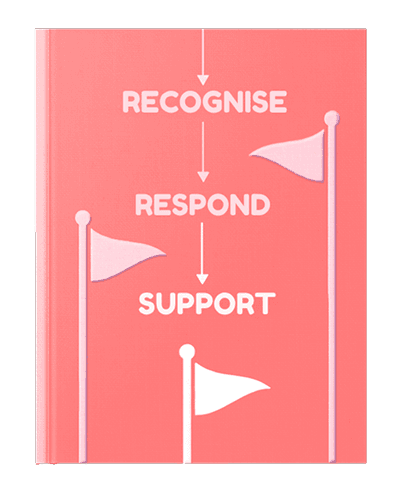
Cyberbullying can feel overwhelming—for both young people and parents. It often happens quickly, can involve multiple people, and may feel hard to control. If your child is experiencing bullying online, it’s natural to want to step in straight away and fix it. But how you respond in those first moments can make a big difference. The most helpful approach is to pause, understand what’s happening, and take simple steps together.

Cyberbullying can feel intense in the moment, especially when friendships and social groups are involved. But it is something that can be worked through.
By staying calm, taking practical steps, and supporting your child without judgement, you’re helping them feel safer, and giving them the skills to navigate situations like this in the future.
What to do right now
If something is happening to your child online it's important to focus on small, practical steps.
1. Stay calm and listen
Start by giving your child space to talk. Let them explain what’s been happening and avoid interrupting or reacting too quickly. Your role in the moment of disclosure is to focus on connection and understanding before solving the issue.
You might say
- “Do you want to show me what’s been happening?”
- “That shouldn’t be happening, how has it been affecting you?”
- “Let’s take a look at this together and figure out what to do”
- “You don’t have to deal with this on your own”
- “We can take this one step at a time”
Even if what you hear is upsetting, staying calm helps your child feel safe sharing.
2. Pause before responding
It can be tempting to reply immediately, or jump to 'solution mode' and try to resolve it immediately.
In most cases, it’s better to:
- stay curious and ask your young person what support they need from you in the moment
- take a moment to think through the options and next steps together
- avoid escalating the situation by jumping into action, or responding to messages or comments online
Responding in the moment can sometimes make things worse, or can cause your child to shut down and stop talking.
3. Save what’s happening
Before anything is deleted or blocked, it’s important to keep a record. Saving digital evidence can be an important part of reporting harm and resolving the issue, but it's important to understand how to record digital evidence safely.
In most cases, you can
- take screenshots of messages or posts
- record the full URL of any websites hosting harmful messages or content
- save usernames and profiles
- note dates and times
If you're unsure whether to record the evidence you can contact Netsafe for advice on what steps to take depending on your situation.
4. Use tools in the app
Most online platforms have tools you can use to respond quickly to messages or posts that are causing harm or distress.
You can:
- block or mute accounts
- report content or users
- adjust privacy settings
Going through this together helps your child feel more in control.
5. Decide what to do next
Not every situation needs the same response.
Together, you can consider:
- Is this a one-off or ongoing?
- Is it affecting your child’s wellbeing?
- Are other people involved?
Depending on the situation, next steps might include:
- taking a break from a platform
- talking to the school
- getting additional support
When to get extra support
If you need additional support, you can also make a report to Netsafe. We can help you understand your options, including whether the situation may be covered under the Harmful Digital Communications Act. Where appropriate, Netsafe can work with those involved to help resolve the issue and reduce harm.
You don’t have to manage this on your own.
It’s a good idea to seek support if:
- the behaviour is ongoing or escalating
- your child feels distressed or unsafe
- there are threats or intimidation
- you’re unsure what to do next
Alongside practical steps, your child may need emotional support. You can help by checking in regularly, reminding them they’re not alone, helping them stay connected to supportive friends and encouraging breaks from online spaces if needed.
Try to avoid removing access to devices straight away, as this can sometimes feel like a punishment and stop them from sharing in future. Young people often rely on their access to devices for peer support and connection with friends, and removing this access may amplify the harm by removing their support network.
Dealing with cyberbullying can feel overwhelming, especially when it involves your child’s friendships and everyday life.
There’s no perfect way to handle it, but by staying calm, taking practical steps, and working through it together, you’re already doing something really important.
Your support helps your child feel safer, more confident, and less alone. Over time, these experiences, while difficult, can also help them build the resilience and skills they need to navigate challenges both online and offline.