
 Back to all articles
Small moments, big impact
9 March 2026
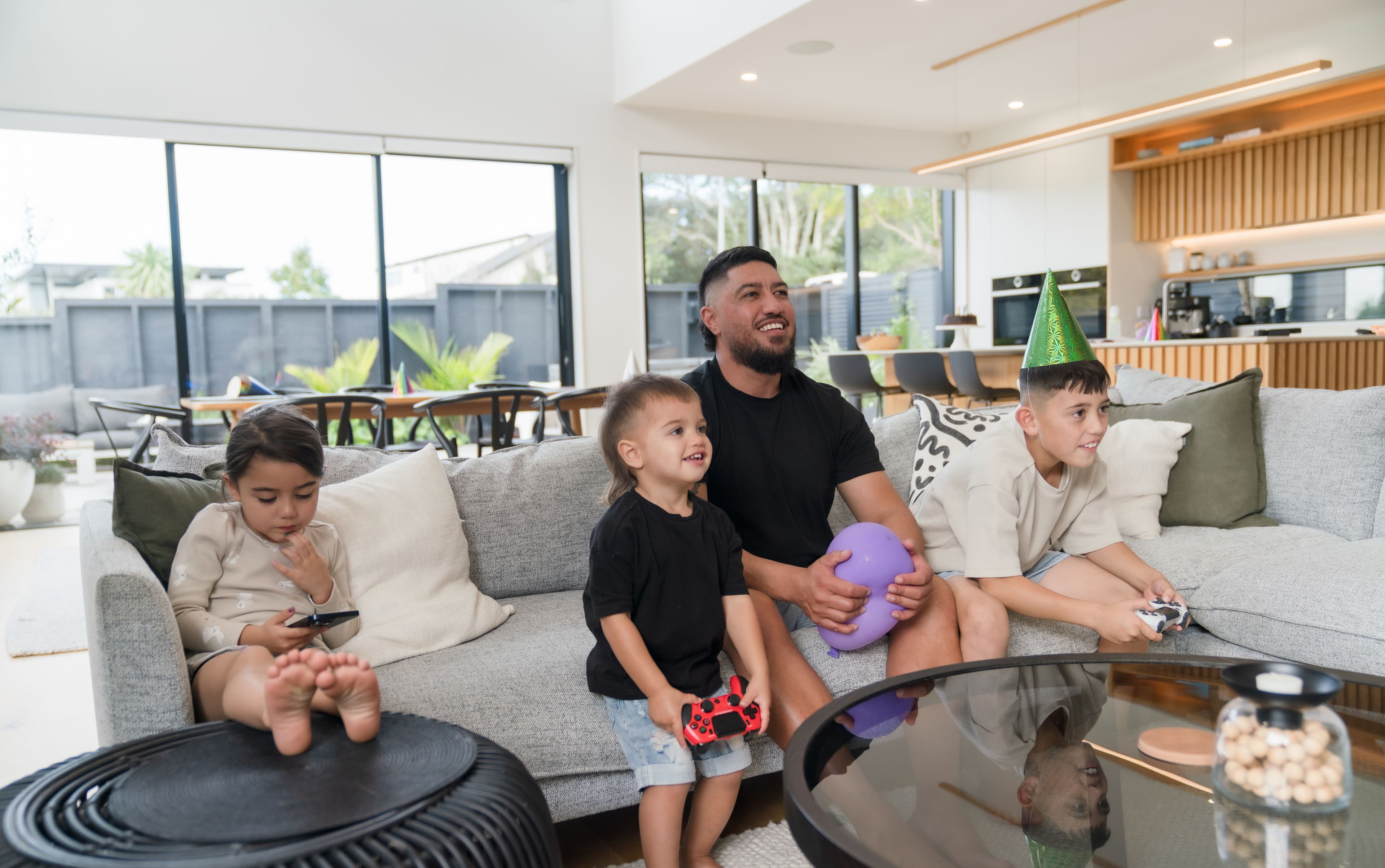
If you’ve ever glanced at your child’s screen and wondered “Should I be paying more attention to this?”, you’re not alone. Many parents feel a quiet pressure to keep track of everything their child sees or does online. The reality is that no parent can watch everything. And you don’t need to. What helps children most isn’t constant supervision - it’s knowing the adults in their lives are interested, approachable, and safe to talk to. That’s where co-viewing comes in, which simply means sharing parts of your child’s digital world with them. When children feel that you’re genuinely interested in what they watch or play, it opens the door to conversations, trust, and guidance. Over time, those small moments of connection can make a big difference to how safe and supported your child feels online.
What co-viewing really means
Co-viewing doesn’t need to be a big or planned activity. At its heart, it’s simply taking an interest in what matters to your child online.
That might mean sitting together to watch a show, listening while they explain a game they like, or letting them show you a video that made them laugh.
You might hear about a character they love, a creator they follow, or something surprising they discovered online, and these small interactions give you a window into their online world. Just as importantly, they send a powerful message to your child, which is “What matters to me matters to you.”
Co-viewing isn’t about monitoring everything your child watches or turning screen time into a lesson. It’s about being present, curious, and open to conversation.
Why it matters
Many families have guidelines around screens, and clear expectations can be helpful. But children are more likely to talk openly when they feel trusted and understood.
When parents and whānau shows interest in the things their children enjoy online and not just the risks, it changes the dynamic. Children begin to see their parents and caregivers as people who want to understand their world, not just check up on it.
This matters more than we sometimes realise. If something confusing, upsetting, or uncomfortable does happen online, children are far more likely to speak up when they already feel listened to.
How does it support online safety?
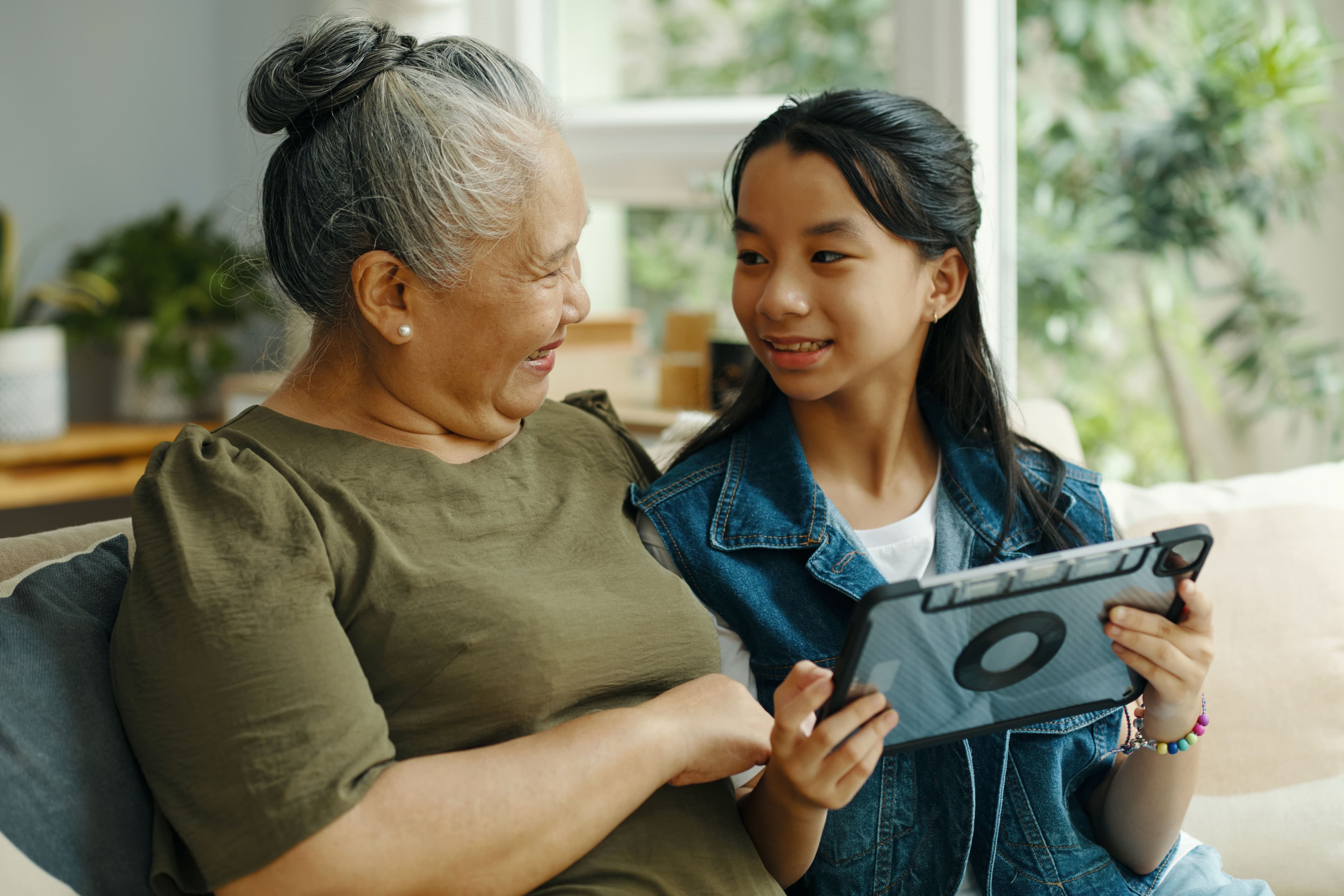
Digital literacy and good judgement doesn't develop overnight. Like many life skills, it grows through conversation, experience, and guidance from trusted adults, and co-viewing helps create those learning moments naturally.
When you watch or explore something together, it opens the door to small conversations about what’s happening on the screen. You might talk about why a character behaved a certain way, how something made your child feel, or whether something seems fair or unkind.
These conversations can help children practise thinking about the choices people make online and how those choices affect others.
Just as important is the tone you bring to these moments. When children know they won’t be blamed or judged for what they’ve seen, they’re much more likely to come to you if something online worries them.
That sense of safety and trust is one of the strongest protections a child can have online.
Making co-viewing part of everyday life
Co-viewing doesn’t need be extra time in an already busy day. In many families, it happens naturally in the small in-between moments - the same way conversations often unfold while cooking dinner, driving in the car, or getting ready for bed.
Co-viewing changes as children grow
With younger children, co-viewing might mean sitting together and talking about what’s happening in a show or game.
You might ask simple questions like:
- “Why do you think that character did that?”
- “How do you think they’re feeling?”
These kinds of questions help children think about emotions, behaviour, and consequences.
As children grow older, they usually want more independence with their devices. That’s a normal and healthy part of development. At this stage, co-viewing might happen more occasionally, for example watching something together now and then, or asking them to show you a game or video they enjoy.
What matters most is that the habit of sharing still exists. When talking about what they watch and do online is normalised, it becomes easier for tamariki to keep those conversations going during the teenage years.
"Small moments matter more than perfect ones"
Parents and caregivers often feel pressure to manage screens perfectly but in reality, connection usually happens in simple, everyday moments.
You might sit nearby while your child watches something after school, they might show you a video that made them laugh, or you might ask a quick question about a show they’re enjoying.
Sometimes the conversation starts with something as simple as:
- “Who’s your favourite character in that show?”
- “What do you like about that game?”
- “Do you want to show me something you’ve been watching lately?”
These small moments of interest help children feel that their digital life is part of family life, not something separate.
Co-viewing across different households
For whānau where children spend time across different homes, routines around screens may naturally vary and what can help is when the adults in their lives share similar values around communication and support.
When children hear consistent messages, for example that they can talk about their online experiences, ask questions, and come to trusted adults for help, it helps them feel secure.
Even if rules or routines differ between homes, showing curiosity and openness sends a powerful message: the adults in their life are working together to support them.
When watching together can help most
Co-viewing can be especially helpful when children begin exploring new platforms, shows, or online communities, to help you understand what those spaces are like and how your child experiences them. These moments can create natural opportunities for your child to feel supported as they explore the online world, and if they come across something upsetting, confusing, or uncomfortable, they may feel more comfortable coming to you, because an existing habit of talking about what they see and do online is already in place.
Connection over perfection
Every family finds their own way of managing screens, and it often changes as children grow. Co-viewing isn’t about watching everything your child watches or always having the perfect response.
It’s about staying curious, present, and open as your child’s digital world expands. Even a few minutes of shared interest, such as listening, watching together or asking a question, can help your child feel supported.
And over time, those small moments can make a big difference when your child needs guidance, reassurance, or help navigating something online.
FAQs
- Do I need to co-view all the time?
No. Co-viewing isn’t about watching everything your child does online. Even occasional moments of shared interest can strengthen communication and trust.
- What if my child doesn't want me watching with them?
That’s completely normal, especially as children get older. You can still show interest by asking about what they’re watching or playing later; showing curiosity without pressure helps keep conversations open.
- How does co-viewing help with online safety?
When children feel trusted and supported, they’re more likely to talk about their online experiences, including things that worry or confuse them. Co-viewing helps build that trust.
- How can co-viewing work across two households?
Co-viewing doesn’t need to look the same everywhere. What matters most is that children hear consistent messages from the adults in their lives: that they can talk about what they see online and ask for help whenever they need it.