
 Back to all articles
Before they buy: helping young people check online listings
24 April 2026

Buying online can bring excitement, pressure and tricky decisions. This article helps parents support their young person to check listings, sellers and payment requests before money, personal details or account access are shared.
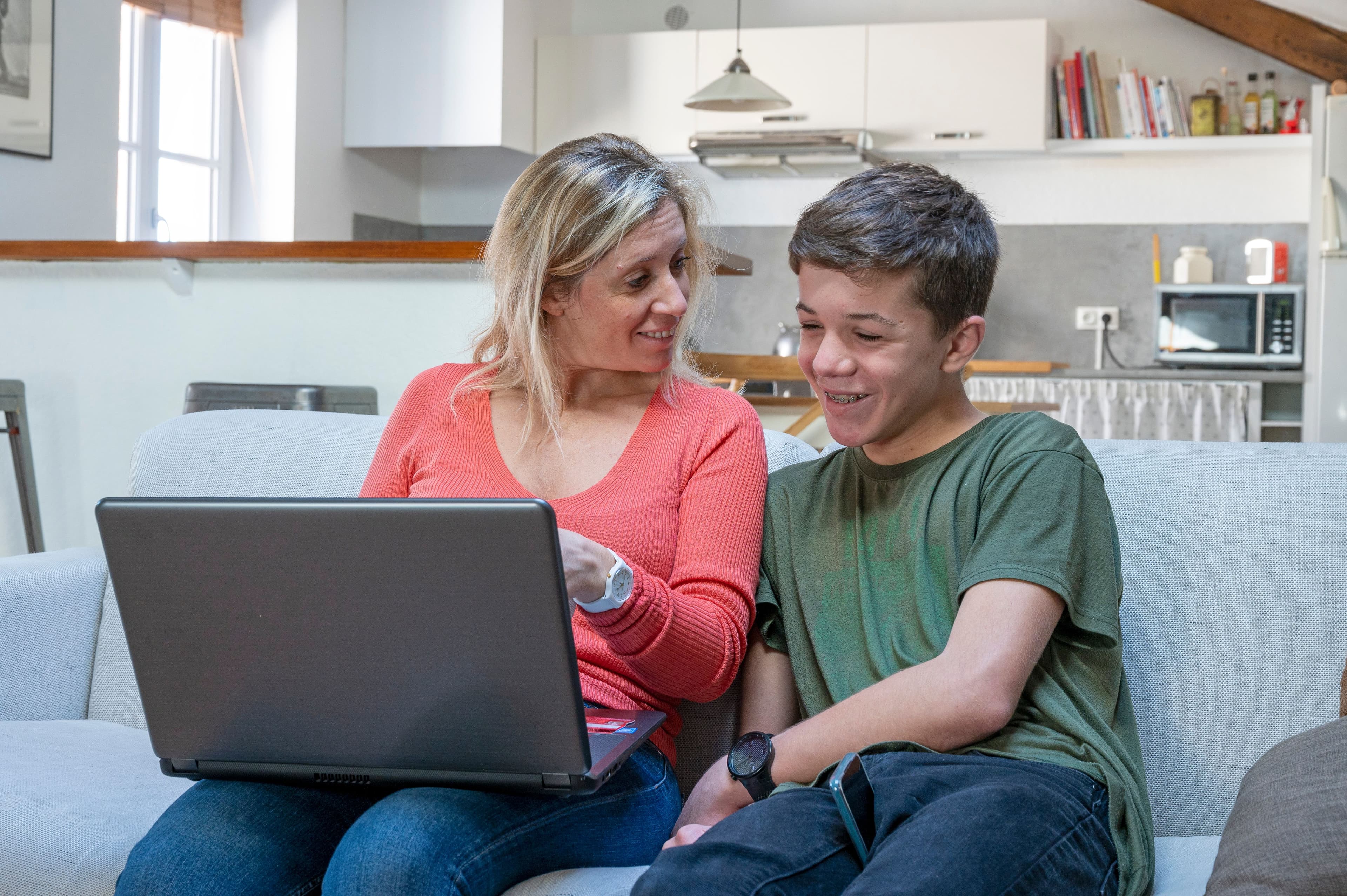
A young person might come to you excited about something they have found online: tickets to an event, a second-hand phone, a pair of shoes, a gaming item, a collectible, or something being sold through a marketplace or social media group.
It can be tempting to respond straight away with a yes, no, or “that looks dodgy.” But these moments can also be useful learning opportunities. When a young person wants to buy something online, you have a chance to help them slow down, look closely and build the skills they will need when you are not beside them.
You do not need to know every platform, marketplace or selling feature. Your role is to help them pause before they act, check what is in front of them, and think about what could happen next.
Start with curiosity
If your young person is excited about a listing, start by acknowledging that. A deal can feel urgent when the item is popular, hard to find, cheaper than expected, or something their friends are also interested in.
You might say:
“I can see why you want it. Let’s check it properly before you decide.”
Or:
“Show me what makes this feel trustworthy.”
This keeps the conversation open. If the first response sounds like criticism, they may be less likely to show you the next listing, message or payment request.
The goal is not to take over every purchase. It is to help them practise the habit of checking before money, personal details or account access are shared.
Check five things together
When you are looking at a listing together, it can help to have a simple routine. You do not need to investigate everything perfectly. Just slow the moment down and check five things: the item, the seller, the price, the pressure, and the payment or access request.
The item
Do you know exactly what is being sold? Check whether the photos match the description, whether the condition is clear, and whether anything important is missing. This could include size, model number, collection options, ticket transfer details, or what happens if the item does not arrive.
The seller
What do you know about the person or account selling it? Look for profile history, reviews, previous listings, consistent details, and whether the seller answers reasonable questions clearly.
The price
Does the price make sense compared with similar listings? A cheaper price does not always mean something is wrong, but it is worth asking why this listing is different.
The pressure
Is anyone trying to rush the decision? Notice if the seller says there are lots of other buyers, offers a special price for quick payment, or makes your young person feel they will miss out if they wait.
The payment or access request
What is being asked for before the item is received? Check whether payment happens through the platform, whether there is a clear record, and whether the seller is asking for personal details, login codes, passwords or access to an account.
You could say:
“Let’s check the item, the seller, the price, the pressure and the payment before anyone decides.”
This gives your young person a routine they can use again, even when you are not there.
Notice what builds trust
The aim is not to make every listing feel suspicious. It is to help your young person understand what builds trust online.
A listing may feel safer when the item is clearly described, the photos match the description, the price is similar to other listings, the seller has a consistent profile history, and the payment method gives some protection if something goes wrong.
A listing may need more checking when the details are vague, the price is much lower than similar items, the seller avoids questions, the profile is very new, or the conversation quickly moves away from the platform.
You might ask:
“What makes this look okay?”
Then:
“What would we want to check before paying?”
This helps your young person look for positive signs as well as warning signs. It also keeps the conversation balanced, so the message is not that everything online is dangerous.
Pause before money, details or access are shared
Before money changes hands, pause again. The listing may look convincing, but the request that comes next can reveal whether the situation is safe enough to continue.
Ask:
- Is there a clear record of the transaction?
- What happens if the item does not arrive?
- Are they asking for a payment method that is hard to reverse?
- Are they asking for personal details they do not need?
- Are they asking for passwords, login codes or account access?
- Are they sending a link to a payment, delivery or ticket-transfer page?
This is where parents and caregivers may need to step in more clearly, especially if the purchase involves a large amount of money, bank details, a verification code, a login, or a payment method your young person does not fully understand.
You could say:
“Before anyone pays or shares details, we need to understand what protection there is if this goes wrong.”
Some purchases need extra care. Event tickets, digital items, gaming accounts and social media accounts can be harder to check because there may not be a physical item to inspect. If a seller asks for passwords, codes, access to an account, or quick payment outside the usual process, treat that as a moment to stop and ask for help.
You can model the checking process by saying:
“I’m not sure either. Let’s find out before making a decision.”
That shows your young person that uncertainty is not a problem. Acting too quickly while unsure is the risk.
Decide together
After checking the listing, help your young person decide what should happen next. Instead of jumping straight to yes or no, it can help to sort the situation into one of three options.
Safe enough might mean the listing is detailed, the seller seems consistent, the price makes sense, the payment method has protection, and no one is rushing.
Pause and check might mean something is missing, the seller is new, the item is hard to verify, the price is unusual, or your young person feels unsure.
Stop for now might mean the seller asks for passwords, login codes, account access, unnecessary personal information, off-platform payment, or refuses to answer reasonable questions.
Try to explain the reason for the decision, rather than making it only about permission.
You might say:
“I’m not saying no because you did anything wrong. I’m saying we need more information before this is safe enough.”
Or:
“This is one I’d pause on, because the payment request does not give you much protection.”
This helps your young person understand the decision-making process and gives them language they can use later.
Practise when it is not urgent
The best time to build these skills is not always when your young person is desperate to buy something. You can practise together when there is less pressure.
Choose a real or example listing and ask your young person to rate it:
- Safe enough
- Pause and check
- Stop for now
Then ask:
- What helped you decide?
- What would you check next?
- What questions would you ask the seller?
- What would make you walk away?
- What would you say if a friend wanted to buy this quickly?
This can work with real listings, old listings, or examples you find together. The aim is to help your young person develop a routine they can use on their own.
A simple message to repeat is:
“If someone is rushing you, that is a reason to slow down.”
Over time, that routine can become part of how they make decisions online.
Keep the door open
Your young person will not always get it right, and neither will adults. Online listings can be convincing, especially when they appear in familiar places or involve something your young person really wants.
What matters most is that they know they can come to you before, during or after something happens.
A useful message to repeat is:
“If you are unsure, you can show me. You will not be in trouble for asking.”
That kind of trust is one of the strongest protections you can build. It helps your young person pause before acting, ask for support when something feels off, and grow the confidence to make safer choices when buying online.
Building judgement together
Helping your young person check an online listing is not only about avoiding a bad purchase. It is about building judgement.
Each listing is a chance to practise asking good questions, noticing pressure, protecting personal information and understanding how trust works online. Over time, those small moments can help your young person become more confident, careful and independent in digital spaces.